5 Hidden Features of the 10 2 Keyboard For Apple Ipad You Must Know About
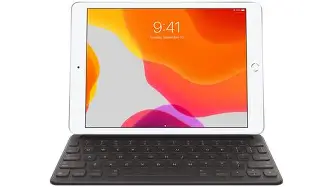
The 10.2-inch iPad has long been the gold standard for students, educators, and value-conscious professionals. While the tablet itself is a marvel of engineering, its transformation from a consumption device into a productivity powerhouse is largely dependent on the peripherals paired with it. The 10.2 Keyboard for Apple iPad is perhaps the most critical accessory in this ecosystem. Most users view it as a simple input tool—a way to type emails faster than the on-screen glass keyboard allows. However, beneath the tactile keys and protective housing lies a sophisticated piece of hardware with capabilities that often go unnoticed by the average user.
When investment is made into a physical keyboard for the 7th, 8th, or 9th generation iPad, the goal is usually to replicate a laptop experience. To truly bridge that gap, one must look beyond the basic QWERTY layout. The following analysis explores the nuanced design choices and technical integrations that make this specific keyboard an indispensable tool for the modern iPad user. From hidden macOS-inspired shortcuts to the mechanical nuances of its hinge design, this article uncovers the five hidden features and technical advantages you must know about to maximize your iPad productivity.
Detailed Product Analysis: The Anatomy of iPad Productivity
The 10.2 Keyboard for Apple iPad is designed with a specific form factor in mind, catering to the unique dimensions of the entry-level iPad lineup. Unlike its more expensive siblings in the Pro and Air categories, the 10.2-inch iPad retains the classic design with slightly larger bezels and the Home button. The keyboard accessory must therefore balance the need for a compact footprint with the ergonomic requirements of a full-sized typing experience. Manufacturers often utilize a robust polycarbonate shell combined with a soft-touch exterior to ensure the device is protected from drops while remaining comfortable to hold during transit.
The key mechanism itself is typically based on a scissor-switch architecture. This is a critical technical detail; scissor switches provide 1.2mm to 1.5mm of key travel, which is the "sweet spot" for tactile feedback without adding excessive thickness to the case. This mechanical design ensures that users can type for extended periods—such as during a lecture or a long flight—without the finger fatigue associated with shallower "butterfly" mechanisms or the mushiness of silicone membranes. Furthermore, the integration of energy-efficient Bluetooth modules or the use of the Smart Connector ensures that latency is virtually non-existent, a factor that is vital for fast touch-typists who find lag disruptive to their workflow.
Beyond the hardware, the synergy between the keyboard and iPadOS is where the magic happens. Apple has spent years refining how its mobile operating system handles external inputs. The 10.2 Keyboard leverages these software hooks to provide a level of integration that feels native. This includes everything from cursor support (if a trackpad is included) to the deep-level system commands that allow you to navigate the entire interface without ever lifting your hands to touch the screen.
1. Advanced iPadOS Shortcut Integration
The most powerful hidden feature of the 10.2 Keyboard is its ability to bypass the touch interface entirely through a complex web of system-wide shortcuts. While many users know that Command-C and Command-V work for copy and paste, the 10.2 Keyboard unlocks deeper navigational layers. For instance, holding the Command key while inside any application will bring up a hidden overlay menu showing every available shortcut for that specific app. This is a game-changer for power users in apps like Microsoft Excel or LumaFusion.
Furthermore, the "Globe" key or the "Command" key can be used to trigger the App Switcher (Command-Tab), allowing for rapid multitasking between a research browser and a Word document. Another hidden gem is the ability to use the keyboard to trigger Spotlight Search from anywhere. By hitting Command-Space, you can search for files, launch apps, or even perform basic math without leaving your current task. This transforms the 10.2 iPad from a tablet with a keyboard into a streamlined workstation where the keyboard is the primary commander of the operating system.
2. Multi-Angle Viewing and Magnetic Tensions
Most buyers focus on the keys, but the hinge and magnetic mounting system are where the engineering excels. The 10.2 Keyboard for Apple iPad often features high-torque hinges that allow for "infinite" viewing angles. Unlike the original Smart Keyboard Folio which offered only two fixed positions, modern third-party and premium alternatives allow the user to tilt the screen to any degree between 30 and 160 degrees. This is essential for ergonomics; a student sitting at a high library desk needs a different angle than a commuter with the iPad on their lap.
Hidden within the frame are high-grade neodymium magnets. These aren't just for keeping the case closed. They are strategically placed to trigger the iPad's Hall Effect sensor, which automatically wakes the device when opened and puts it to sleep when closed. More importantly, in models featuring a detachable design, these magnets ensure that the keyboard remains securely fastened during typing but can be pulled away instantly when you want to revert to "tablet mode" for reading or drawing with an Apple Pencil. Understanding the tension of these magnets allows users to transition between modes with a fluid, one-handed motion that enhances the versatility of the device.
Shop the latest Electronics picks on Amazon.
Shop Amazon →3. Backlighting Mastery and Ambient Light Sync
While backlighting might seem like a standard feature, the hidden sophistication lies in how the 10.2 Keyboard manages power and visibility. Premium versions of this keyboard feature 7-color RGB backlighting with adjustable brightness levels. However, the "hidden" aspect is the auto-sleep timer integrated into the keyboard's firmware. To preserve the iPad's battery (or its own internal battery), the keyboard will dim the lights after 30 seconds of inactivity and instantly relight them the moment a key is touched.
For creatives working in low-light environments—such as a dark photo studio or a late-night flight—this feature is indispensable. Some high-end models even sync their brightness levels with the iPad's own ambient light sensor via the Smart Connector, ensuring the keys are never blindingly bright in a dark room nor too dim in a well-lit office. This intelligent power management ensures that the keyboard doesn't become a drain on the iPad's 10-hour battery life, a common concern for users who are away from a power outlet all day.
4. The Secret Global "Esc" Key and Function Row Utility
One of the biggest complaints about iPad keyboards is the lack of a physical "Escape" key. However, the 10.2 Keyboard often hides this functionality in plain sight. On most models, the combination of "Command + Period" acts as a global Escape command, allowing you to exit full-screen videos or cancel dialog boxes. Furthermore, the specialized function row at the top of the keyboard is often underutilized. These aren't just buttons; they are direct hardware-to-software interrupts.
The dedicated "Home" button on the keyboard can be double-tapped to see all open apps, or long-pressed to summon Siri. The media keys provide granular control over volume and playback that is faster than using the iPad's physical side buttons or the Control Center. For professionals giving presentations, the "Lock" key is a vital security feature, allowing for an instant screen blackout when stepping away from the podium. Mastering this top row of keys removes the friction of reaching for the screen, creating a more professional and efficient workflow.
5. Smart Sensing and Palm Rejection Protocols
If the keyboard includes a trackpad, it likely possesses a hidden layer of software logic known as palm rejection. This is a common feature in laptops but can be hit-or-miss in tablet accessories. The 10.2 Keyboard for Apple iPad utilizes capacitive sensors that can distinguish between the intentional swipe of a fingertip and the accidental brush of a palm while typing. This prevents the cursor from jumping across the screen and deleting text—a frustrating experience that often plagues lower-quality accessories.
Additionally, the "Smart Sensing" feature in Bluetooth models allows the keyboard to maintain a low-power "heartbeat" connection. This means that even if the keyboard has gone into a deep sleep to save power, the first keystroke isn't lost. It buffers that first input, wakes up, and sends the command to the iPad simultaneously. This ensures a seamless "instant-on" experience that mimics the wired connection of the Apple Smart Connector, giving users the reliability of a wired peripheral with the convenience of a wireless case.
Comparison and Pros & Cons
To help prospective buyers decide if this accessory fits their specific needs, it is helpful to look at the objective strengths and weaknesses of the 10.2 keyboard category. These devices are generally compared against two extremes: the ultra-portable but limited folding covers, and the heavy but feature-rich "laptop-style" docking stations.
Pros of the 10.2 iPad Keyboard
- Significant improvement in typing speed and accuracy compared to the on-screen keyboard, often reaching speeds of 60-80 words per minute.
- Enhanced protection for the iPad 10.2, covering both the glass screen and the aluminum back during transport.
- Integration of iPadOS-specific shortcuts which reduces reliance on touch and keeps the screen clean of fingerprints.
- Versatile viewing angles that cater to various ergonomic needs, reducing neck strain during long work sessions.
- Bluetooth or Smart Connector options provide flexibility in how the device is powered and connected.
Cons of the 10.2 iPad Keyboard
- Adds significant weight and bulk to the iPad, making it feel more like a small laptop than a slim tablet.
- Smaller keycaps compared to a 13-inch laptop, which may require an adjustment period for users with larger hands.
- Bluetooth models require separate charging, which can be an inconvenience if the battery dies during a critical task.
- The trackpad area is often smaller than standard laptops, making multi-finger gestures feel slightly cramped.
Technical Specifications Comparison
The following table compares the typical attributes found in the two most common types of 10.2 iPad keyboards: the "Slim Folio" style and the "Rugged Keyboard" style.
| Feature | Slim Folio Style | Rugged Keyboard Style |
|---|---|---|
| Weight | approx. 450g | approx. 650g+ |
| Drop Protection | Basic (scratches/light bumps) | Military Grade (up to 6ft drops) |
| Backlighting | Sometimes included | Usually included (Multi-color) |
| Power Source | Coin cell or iPad powered | Internal rechargeable battery |
| Key Travel | 1.0mm - 1.2mm | 1.3mm - 1.5mm |
Buying Guide: Choosing the Right 10.2 Keyboard
Selecting the right keyboard for your 10.2-inch iPad requires an honest assessment of your daily routine. Not all keyboards are created equal, and the "best" one depends entirely on your environment. If you are a student moving between back-to-back classes, portability is your primary concern. You should look for a slim folio design that maintains the iPad's thin profile. These models often sacrifice backlighting and deep key travel to remain lightweight, but they are much easier to slide into a crowded backpack.
Shop the latest Electronics picks on Amazon.
Browse Now →For those using the iPad as a primary work device in an office or home setting, a "bridge" style keyboard is more appropriate. These models feature a heavier base that prevents the iPad from tipping over when used on a lap. They also typically include a trackpad, which is essential for navigating spreadsheets or editing text with precision. When evaluating a trackpad model, check if it supports "multi-touch gestures," such as three-finger swipes to change apps or pinch-to-zoom, as these are vital for a true iPadOS experience.
Durability is another factor that buyers often overlook. If the iPad is shared with children or used in field-work environments (like construction or outdoor research), a rugged keyboard case is non-negotiable. Look for models with reinforced corners and a "spill-resistant" key membrane. While these cases are heavier, the peace of mind knowing your $329+ tablet is protected from a concrete floor is worth the extra weight. Finally, consider the connectivity. The Smart Connector (the three dots on the side of the iPad) is superior for reliability as it requires no pairing and no charging. However, Bluetooth models are often more affordable and offer more features like specialized backlighting.
Real-World Use Cases
To understand the value of these hidden features, one must look at how they perform in the "wild." Consider a journalist covering a live event. The ability to use Command-Space to quickly find a previous note while simultaneously recording audio is only possible with a responsive keyboard. For them, the key travel and mechanical reliability are the difference between capturing a quote and missing the moment. The "hidden" Esc shortcut allows them to quickly toggle out of a full-screen photo gallery to get back to their drafting app without fumbling with the screen.
In a secondary use case, think of a digital artist who uses the iPad for Procreate but also handles their own administrative work. For this user, the magnetic detachable feature of the 10.2 Keyboard is the standout highlight. They can spend three hours with the iPad flat on the desk, using the Apple Pencil to illustrate, and then instantly "snap" the keyboard back on to send invoices and reply to client emails. The keyboard doesn't just add a function; it allows the device to pivot between different professional identities seamlessly.
Lastly, for the corporate traveler, the 10.2 Keyboard's backlighting and multi-angle hinge are the stars. Working in the cramped, dimly lit cabin of an airplane requires a device that can be angled steeply to avoid the "seat-back recline" of the person in front of them. The backlit keys allow them to stay productive during a red-eye flight without disturbing neighboring passengers with the overhead light. These are the scenarios where the technical specs translate into tangible, everyday benefits.
Conclusion
The 10.2 Keyboard for Apple iPad is far more than a mere accessory; it is the definitive interface that unlocks the tablet's full potential. By mastering the hidden shortcuts, understanding the mechanical advantages of scissor switches, and utilizing the top-row function keys, users can transform their iPad into a sophisticated productivity machine. Whether it is the intelligent power management of the backlit keys or the ergonomic flexibility of the high-torque hinges, every design element serves the purpose of making mobile computing more efficient.
As iPadOS continues to evolve, the integration between hardware and software will only deepen. Those who take the time to learn these hidden features will find themselves navigating their digital lives with greater speed and less friction. The 10.2-inch iPad remains a remarkably capable device, and when paired with the right keyboard—and the knowledge of how to use it—there are very few tasks it cannot handle with grace and efficiency.